MM2H in Malaysia: 3,172 approvals in 2025 and nearly US$1 billion in economic impact
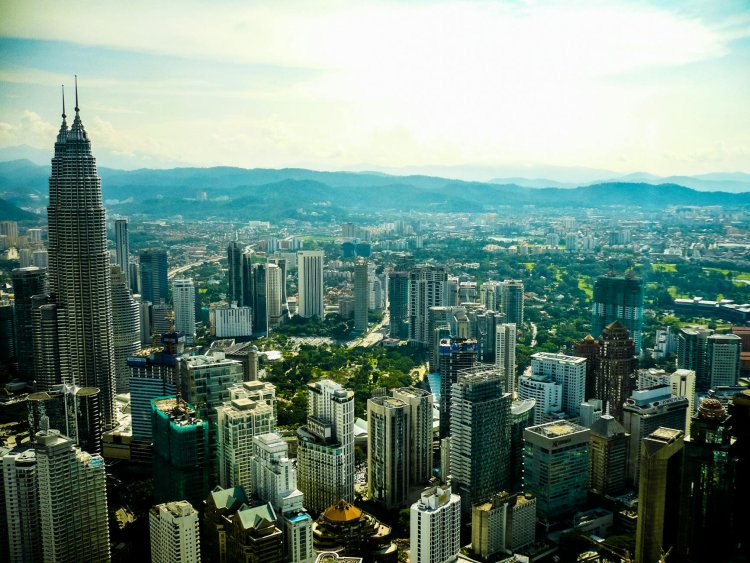
In 2025, the Malaysia My Second Home (MM2H) programme approved 3,172 applications. Tourism Minister Dato Sri Tiong King Sing announced on 25 March that the total estimated economic impact is RM 3.875 billion (around US$983 million). The approvals covered 9,038 participants, including their family members.
The largest share of incoming funds came from fixed deposits held in Malaysian banks, totaling RM 2.35 billion (about US$596 million). Real estate purchases accounted for RM 1.51 billion (around US$383 million). In addition, participation fees generated RM 13.86 million (approximately US$3.5 million).
The Silver tier dominates the approval breakdown
Of the 3,172 approved applications, 2,650 fall under the Silver category, representing 83.5% of all decisions. Another 322 applicants qualified through the Special Economic and Financial Zone route, which offers more flexible requirements: a minimum deposit of RM 500,000 and no mandatory overseas income verification.
Gold received 154 approvals. Platinum, which requires a US$1 million deposit and a real estate purchase of at least RM 2 million, recorded 46 approvals.
The dominance of Silver mirrors trends from earlier periods. For example, after reforms took effect in June 2024, Silver already showed a clear lead in the programme’s first six months. By June 2025, 1,294 approvals had been issued and roughly RM 840 million had been attracted in investments. Full-year figures indicate that momentum accelerated in the second half of 2025.
Rebound after a three-year pause
To understand the scale of the change, it helps to look at the context. During 2021–2023, amid criticism of requirements introduced in October 2021, MM2H approved only 1,900 applications in total over the three-year period. According to the ministry, the first-year results under the updated rules already exceeded that figure by 67%.
The 2021 reform tightened conditions: a minimum deposit of RM 1 million for all categories, a requirement for RM 40,000 in monthly offshore income, and an increase in the minimum age to 35 years. Against this backdrop, the number of applications dropped by roughly 90%.
By December 2023, the policy was adjusted again. The government introduced Silver, Gold and Platinum with staged deposits and fully removed the obligation to verify income. Further changes followed in June 2024, including revised property thresholds and the removal of a previously announced scheme that could have served as a pathway toward permanent residency.
A marketing push ahead of Visit Malaysia 2026
The minister linked the improved figures to active overseas efforts by government agencies. Promotion was led by the Ministry of Tourism, Arts and Culture (MOTAC), together with Tourism Malaysia, especially ahead of the Visit Malaysia Year 2026 campaign. Throughout 2025, the minister personally led missions to 19 cities across 11 countries—from ASEAN and the Middle East to Europe, China, and Australia.
Arrivals from Australia rose by 11%, reaching nearly 497,000 trips. Growth was also reported in Switzerland (+15.3%) and Poland (+32.6%).
Compliance and background checks are strengthening at the same time
The increase in approvals coincided with tighter programme security measures. In November 2025, the government reported that as of 31 August, MM2H status had been granted to 5,972 foreign nationals, and new verification protocols had been put in place. Requirements now include international background data checks and intelligence-led screening.
To support enforcement, the system is integrated: the Ministry of Tourism database is connected to the MyIMMS platform of the Immigration Department, enabling centralized oversight. A new assessment is carried out during status renewals. Authorities also stress that MM2H does not grant citizenship and is not a route to permanent residency.
S-MM2H and Sabah: separate rules in other regions
Beyond the federal MM2H programme, two additional investment residency options operate under their own frameworks. Sarawak runs S-MM2H with separate immigration policy, reflecting the region’s autonomy since 1963. Requirements include a RM 500,000 deposit (increasing from RM 150,000 from January 2025) and a condition to spend 30 days per year in the region.
Sabah launched its own version in July 2024. There, the minimum property purchase threshold is RM 600,000, provided the selected property is located within a high-rise residential development.
The three programmes differ in deposit thresholds, residency requirements, and the licensing rules for agencies. It is also important to note that the 3,172 figure cited by the minister refers only to the federal MM2H programme.
If you’re considering Malaysia for long-term residence and want to understand how programs like Malaysia My Second Home (MM2H) work, it’s crucial to assess deposit requirements, tier options (Silver/Gold/Platinum) and the practical drivers behind the reported economic impact. The team at Digital Nomad will help you map the eligibility steps and prepare a clear strategy for the documents and investment conditions—so your route to status feels predictable and well-organized.
Our Telegram channel about various types of Greek residence permits, digital nomad programs, and the Greek Golden Visa: @digitalnomadgr
 667
667