São Tomé and Príncipe Introduces Remote ID Issuance for CBI Applicants and Clarifies the Triple-Citizenship Rule
The Citizenship Investment Unit (CIU) of São Tomé and Príncipe has sent a memorandum to licensed marketing agents. The document outlines three updates to the Citizenship by Investment (CBI) programme, including an official pause on applications from individuals holding three or more foreign citizenships.
Dated 10 April and signed by CIU Director Disney Leite Ramos, the memo cites Citizenship Law No. 07/2022. It establishes a ban on granting São Tomé and Príncipe citizenship to individuals who hold three or more foreign passports.
Although an adjustment to this restriction had been expected, no change has been introduced. This point was noted in IMI’s latest Private Briefing, stating that the parliament still needs to complete the legislative amendments required.
The document states: “As of the moment the measure enters into force, the acceptance of new applications from persons holding three foreign passports or more will be suspended.”
In a discussion with IMI, Ramos stressed that the legislative amendment concerning persons with three or more citizenships will be considered after parliamentary procedures are concluded.
Philip May, founder and CEO of EC Holdings, called the restriction “unfortunate”, noting that there is indeed demand from people with three passports. At the same time, he said the practical impact is limited: “It’s not really that important.”
Remote ID Issuance: What Changes in Biometric Processing
The most practical update concerns the biometric registration process. Previously, passport issuance required in-person fingerprint capture and signature—either in São Tomé and Príncipe or at specific embassies in Lisbon or Brussels (until 9 April).
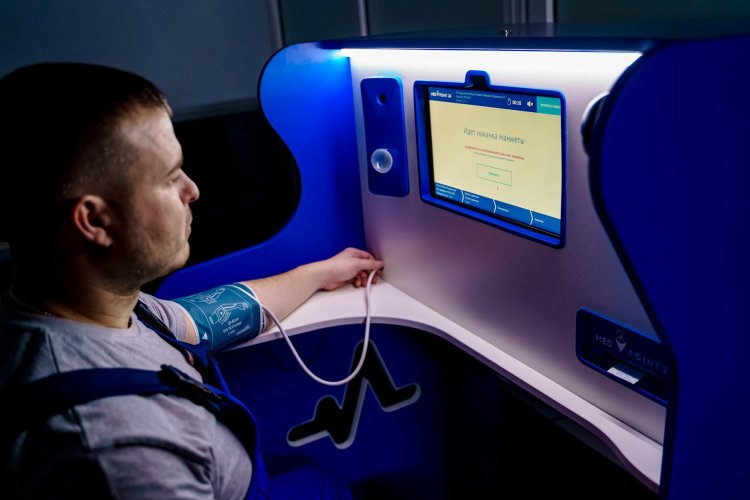
Now, the legislative amendment allows applicants to obtain a national ID remotely, using video verification involving the Civil Registry and the Notary Service.
Ramos explained that the decision is driven less by convenience than by compliance and accurate identification. In his view, São Tomé and Príncipe authorities want to confirm that each applicant is a real person and meets the eligibility requirements.
Philip May described the move to a remote model as “more or less positive”, adding that few people are willing to travel to Lisbon or Brussels just for biometrics.
Adult Dependants Over 18: Processing Paused
The third change relates to applications to include adult dependants—children who have reached the age of 18. CIU says the updated dependants recognition framework is in the final stage of preparation.
Until the new version of the rules is published, the issuance of passports for adult dependants remains on hold.
Ramos clarified that the revised dependants law has already been “activated” and will be implemented in the usual manner.
CBI Programme in Motion: Adjustments as It Rolls Out
São Tomé and Príncipe launched the CBI programme in September 2025. It began with a donation of US$90,000 to the National Transformation Fund, making it one of the most accessible programmes on the market.
In the first months, more than 200 applications were received, and the first passport was issued by January 2026. In February, CIU revoked the licence of one of its agents for underpricing the programme.
The pause on applications from individuals with three or more citizenships, along with the freeze for adult dependants, reflects differences between the programme’s operational goals and its legal framework.
At the same time, the remote biometric process removes a previous “bottleneck” that forced applicants to travel to a limited number of locations worldwide to complete registration.
If you’re considering citizenship by investment and want to understand in advance how updates to the rules (including restrictions on multiple citizenships and practical changes in procedures such as remote ID/biometrics) may affect your application, the team at Digital Nomad will help you navigate the latest requirements and build a plan tailored to your situation.
Our Telegram channel about various types of Greek residence permits, digital nomad programs, and the Greek Golden Visa: @digitalnomadgr
 468
468